
Stress free debit card use for kids
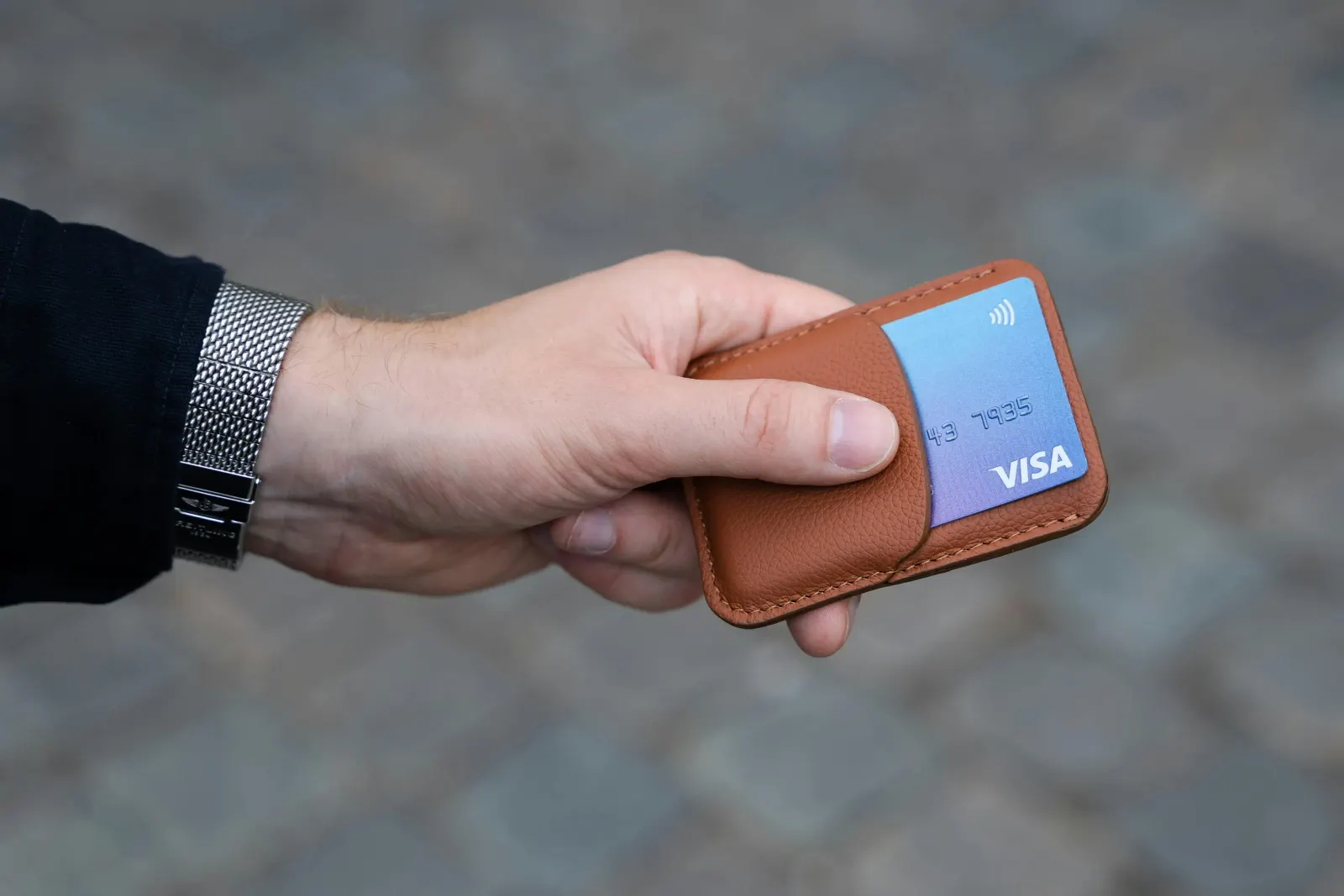
- 💳 Debit cards can help kids learn real-world money skills when used with clear rules and guidance.
- ⚠️ Traditional debit cards may allow overdrafts, which can lead to confusing fees for beginners.
- 📚 Teaching kids to track balances, plan spending, and set savings goals builds strong financial habits early.
Giving your child their first debit card can feel like a big leap. Will they overspend? Will they understand how much money they have? What if they accidentally go over their limit?
These are all valid concerns. But they don’t have to stop you from helping your kids build smart money habits early, as long as the system you choose is built for real learning.
The problem with traditional debit cards
Most adult debit cards are linked to accounts that allow overdrafts. That means your child could spend more than they actually have, and end up with fees they don’t understand. Even small mistakes, like forgetting to check a balance, can lead to negative accounts and bank charges.
For teens and kids just starting to understand money, that’s a recipe for stress and confusion.
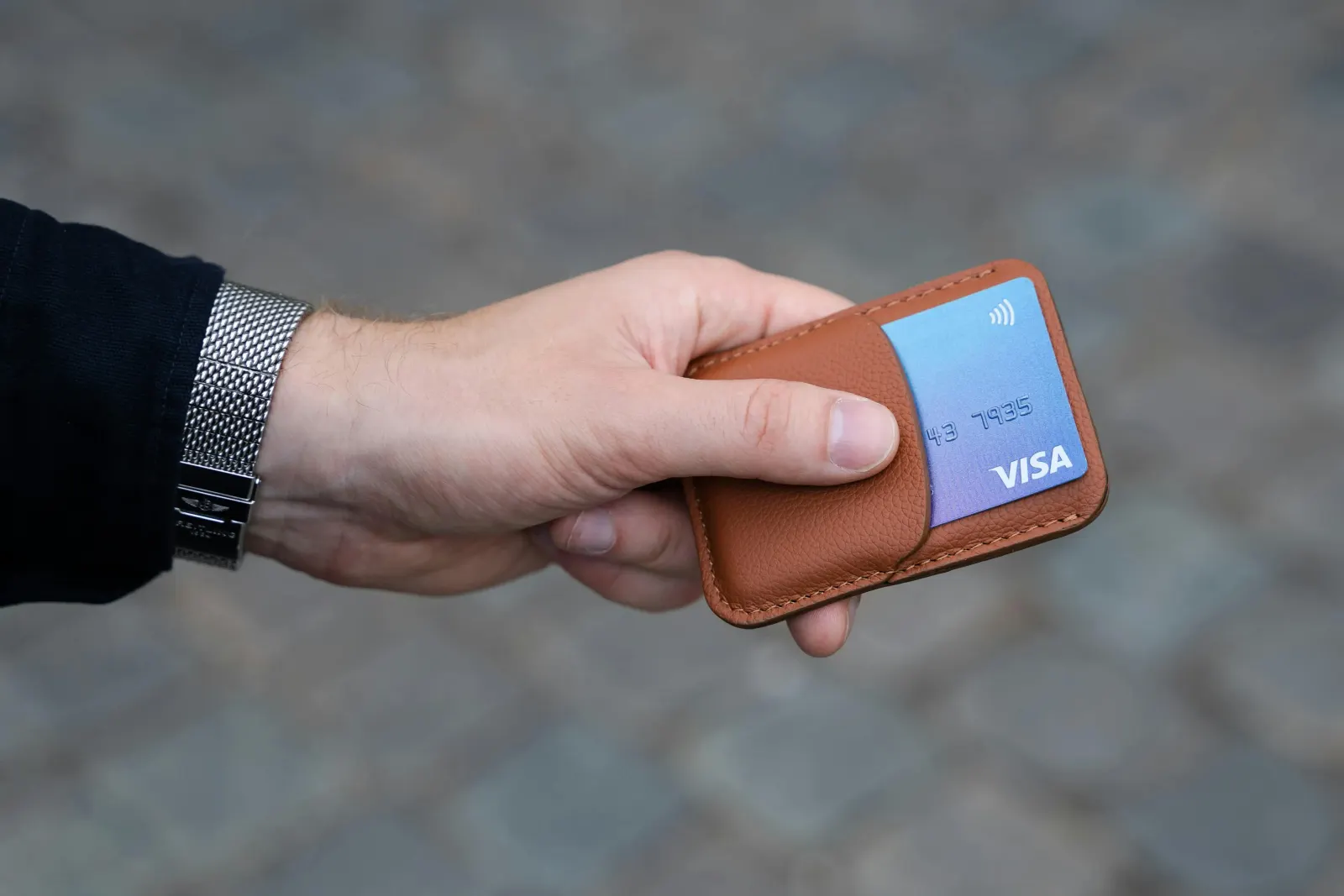
Why Modak is different
Modak was built for learning, not punishment. With Modak:
- Teens can only spend the money that’s actually in their account.
- There are no monthly fees³.
- Parents can track spending, set goals, and freeze the card if needed.
It’s a smarter, safer way for teens to experience real-world spending. They learn to budget, check balances, and spend within their means, without going into the red.
In other words, Modak gives teens the structure they need to start building good money habits, while reducing the common pitfalls of traditional banking.
Teaching kids to use debit cards responsibly
If you want to raise financially confident kids, start with clear guidance. Here are a few ways to support responsible debit card use:
- Set expectations early: Talk about what the card can be used for and what it can’t.
- Check balances together: Make it a habit to review balances before spending.
- Use savings goals: Help kids see how money can be set aside for things they want.
- Encourage tracking: Use app notifications or spending logs to reflect on purchases.
Modak makes this easy with real-time tracking, savings buckets, and in-app reward systems like MBX¹.
Why debit cards for kids make sense
Some parents worry that giving their kids a debit card is “too much, too soon.” But in today’s world, cash isn’t king. Most payments, especially online or at stores like Target or Starbucks, are digital.
Giving your child a card:
- Prepares them for how money works today
- Lets them practice spending with guardrails
- Builds trust and financial responsibility
And with Modak, it’s free to open an account³, comes with both virtual and physical cards, and includes 24/7 parental controls.
FAQs
Is there a kids debit card without overdraft?
Yes, Modak offers a card where teens can only spend what they have. There are no monthly fees or surprise charges³.
How can you use a debit card responsibly?
Track your balance, plan your spending, and use budgeting tools. Modak provides these features in its app to support responsible spending habits.
Are debit cards for kids a good idea?
When paired with education and limits, absolutely. They help kids learn real-world money skills in a controlled environment.
How to be responsible with a debit card?
Start small. Use alerts, check your balance regularly, and set savings goals. Modak rewards these good habits with MBX points(2).
Final thought
Avoiding overdrafts is just the beginning. Teaching kids to use money wisely is about consistency, trust, and the right tools. Modak removes the risk and makes learning fun, without the stress of surprise fees or overdrawing.
Want to help your teen build real financial confidence? Learn more about Modak
How Modak helps
- 🔒 Modak prevents overdrafts by allowing teens to spend only the money available in their account.
- 📲 Parents can track spending, set goals, and manage the card easily through the Modak app.
- 🎯 Teens can earn MBX rewards for positive money habits, turning financial learning into a fun experience.