
Essential tips for students to save money and set financial goals

Budgeting is a crucial skill for managing money, especially for students and teenagers who are learning financial responsibility for the first time. Understanding how to save money as a student can set the foundation for a lifetime of smart financial decisions. This comprehensive guide offers helpful tips and strategies for teens to save money, create budgets, and develop strong financial habits. These suggestions are designed to support teens in improving their financial skills.
Also, we’ll dive into how teens can save money and set financial goals using the Modak app and how they can use their Visa® debit card designed for kids and teens and payment link to receive earnings from side hustle activities without any monthly subscription fees³.
Why saving money as a teen is important
Starting to save money at a young age has numerous benefits. It helps build financial discipline, sets the stage for achieving future financial goals, and provides a safety net for unexpected expenses. By learning to save early, teens can avoid common financial pitfalls and enjoy greater financial independence.

How to save money as a student
Saving money as a student involves both earning money and managing expenses wisely. Here are some practical tips:
1. Create a budget
Creating a budget is the first step to start managing money effectively. A budget helps track income and expenses, ensuring that spending stays within limits and savings goals are met.
Steps to create a budget
- List All Sources of Income: Include allowances, part-time job earnings, and gifts.
- Track Expenses: Categorize expenses such as school supplies, transportation, food, and entertainment.
- Set Savings Goals: Determine how much you want to save each month.
- Monitor and Adjust: Regularly review your budget to make adjustments as needed.
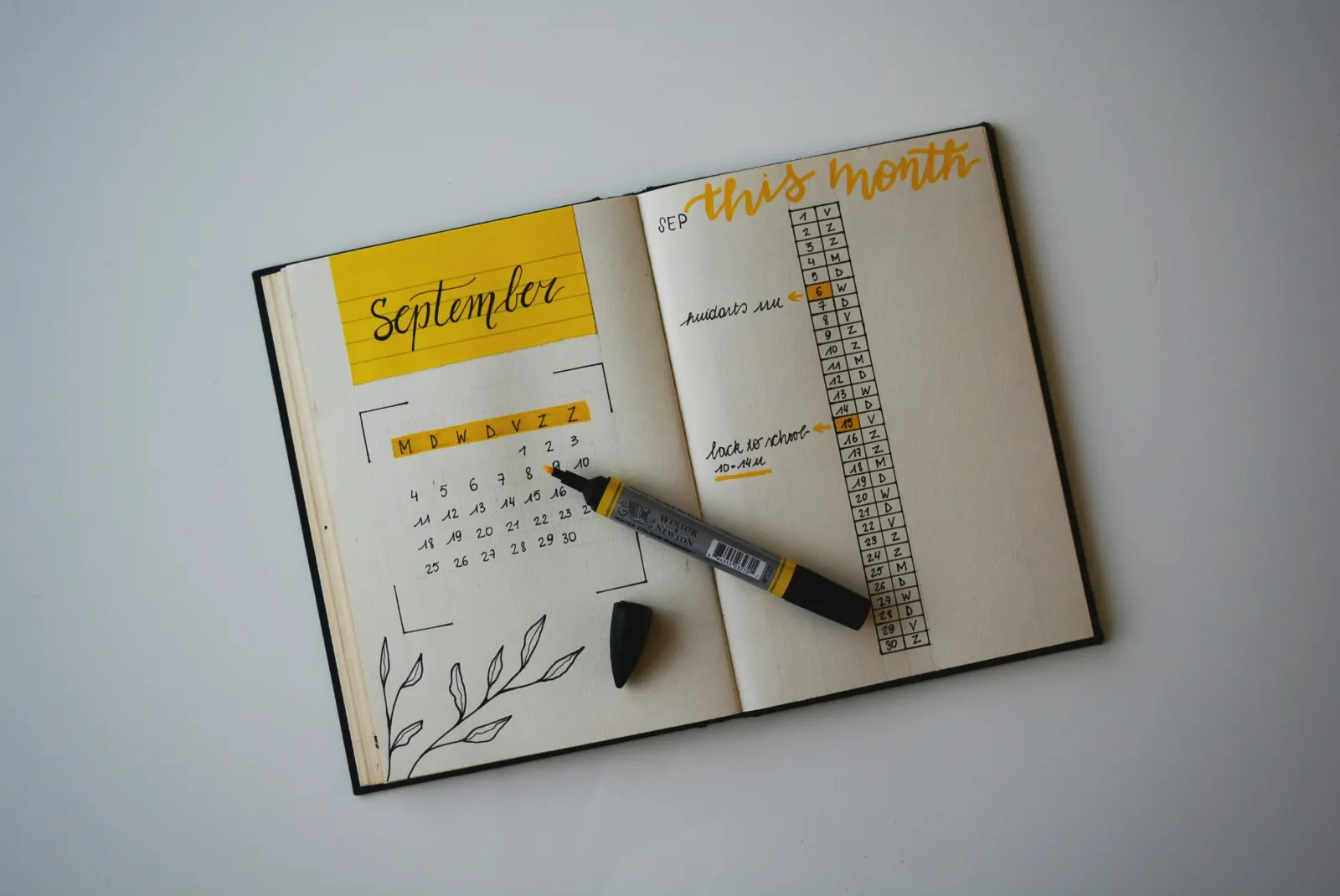
2. Use a teen budget worksheet
A teen budget worksheet is a useful tool for keeping track of income, expenses, and savings. It provides a structured format to organize finances and stay on top of budgeting goals.
Benefits of a teen budget worksheet
- Organization: Keeps financial information in one place.
- Clarity: Helps identify spending patterns.
- Motivation: Visual tracking of savings progress.
3. Save a portion of all income
One effective way to save money is to set aside a portion of all income. Whether it’s from allowances, part-time jobs, or gifts, consistently saving a percentage can build significant savings over time.
4. Open a savings account
Opening a savings account can help manage and grow savings. Look for accounts with no fees and good interest rates. Modak offers a great option for kids and teens, providing a user-friendly experience and helpful financial tools.
How to get started
- Choose a Bank: Select a bank or credit union that offers accounts for teens.
- Set Up the Account: Open the account with the help of a parent or guardian.
- Deposit Regularly: Make regular deposits to build your savings.
5. Find ways to earn money
Earning money provides the means to save and spend responsibly. Here are some ways teens can earn money:
Ideas for earning money
- Part-Time Jobs: Work at local businesses or offer services like babysitting or dog walking.
- Freelancing: Use skills like graphic design, writing, or tutoring to earn money online.
- Sell Items: Sell unused items like clothes, books, or electronics online or at garage sales.
Money tips for teens
Learning how to manage money effectively involves more than just saving. Here are some additional money tips for teens:
1. Avoid impulse spending
Impulse spending can quickly deplete savings. To avoid this, make a list before shopping and stick to it, and wait 24 hours before making non-essential purchases.
2. Use discounts and deals
Take advantage of student discounts, coupons, and sales to save money on purchases. Many stores and services offer discounts to students, so always ask if one is available.
3. Track your spending
Keeping a record of all expenses can help identify areas where you might be overspending. Use apps or budget worksheets to track spending and make adjustments as needed.

4. Set financial goals
Setting short-term and long-term financial goals can provide motivation to save and spend wisely. Examples include saving for a new gadget, college expenses, or a car.
Budgeting tips for teens
Budgeting is a crucial aspect of managing money effectively. Here are some tips to help teens create and stick to a budget:
1. Prioritize needs over wants
When budgeting, it’s important to distinguish between needs and wants. Prioritize spending on essentials like food and transportation before spending on non-essential items.
2. Use budgeting tools
Utilize budgeting apps or printable budget worksheets to keep track of finances. These tools can simplify the budgeting process and provide valuable insights into spending habits.
3. Involve the family
Discuss budgeting and financial goals with family members. This can provide support and accountability, and help everyone work towards common financial objectives.
Budget activities and games for teens
Learning about budgeting can be fun with the right activities and games. Here are some ideas to make financial education engaging:
Budgeting games
- Monopoly: Teaches about buying property, managing money, and dealing with unexpected expenses.
- The Game of Life: Simulates real-life financial decisions and challenges.
- Pay Day: Focuses on managing monthly expenses and budgeting effectively.

Budget activities
- Grocery Shopping Challenge: Give teens a budget to plan and shop for a meal or week’s groceries.
- Savings Goal Chart: Create a visual chart to track progress towards a specific savings goal.
- DIY Budget Planner: Have teens design and create their own budget planners to personalize their budgeting experience.
Answering common budgeting questions
How much should a 16-year-old save?
A 16-year-old should aim to save a portion of their income regularly. A good rule of thumb is to save at least 20% of any earnings from allowances, part-time jobs, or gifts. This habit can build a solid financial foundation for future expenses.
What is the 50/30/20 rule?
The 50/30/20 rule is a simple budgeting guideline that allocates income into three categories:
- 50% Needs: Essential expenses such as housing, food, and transportation.
- 30% Wants: Non-essential expenses like entertainment and dining out.
- 20% Savings: Savings, investments, and debt repayment.
What should a 15-year-old spend money on?
A 15-year-old should focus on spending money on essential items and experiences that add value to their lives. This can include school supplies, transportation, hobbies, and occasional entertainment. It’s also important to set aside money for savings and future goals.
How can a 14-year-old save up?
A 14-year-old can save up by:
- Setting Savings Goals: Define clear, achievable goals for what they want to save for.
- Earning Money: Take on chores, part-time jobs, or small gigs to earn money.
- Saving a Portion of Income: Regularly save a percentage of any money received.
How Modak helps with budgeting and earning money
At Modak, we understand the importance of teaching kids and teens about money management. Our app offers a range of features that can help your family with budgeting and earning money.

MBX rewards and challenges
With Modak, kids and teens can earn MBX, our in-app reward point system, through various activities. By walking 5,000 steps every day, they can earn 10 MBX per day¹². Completing challenges in the app can also help them earn more points. These points can be converted into dollars and spent using their Modak Debit Card. By walking, children can earn up to 70 MBX per week, which translates to an extra $8 per week just by staying active.
Managing chores and payments
Parents can easily manage chores and payments within the Modak app. They can set up custom chores with due dates and payment amounts. When kids complete their chores, they can mark them as done in the app and receive their payments directly into their Modak account. This feature helps teach kids the value of hard work and financial responsibility.
Payment links and direct deposits
Teens can create payment links within the Modak app, making it easy for anyone to pay them for gigs or part-time jobs. Additionally, direct deposits can be set up for teens who work, allowing their earnings to go directly into their Modak account.
24/7 customer support
Modak offers 24/7 customer support with real agents who respond in under three minutes. Whether you have questions about the app or need assistance with a transaction, our support team is always available to help.
Conclusion
Learning how to save money as a student and teenager is an important skill that can contribute to better financial habits in the future. By using tools like budget worksheets, setting financial goals, and engaging in budgeting activities, teens can develop strong money management habits. For parents and teens looking to enhance their financial literacy, Modak offers a comprehensive solution that combines budgeting, saving, and earning rewards in a user-friendly app.
Ready to take control of your finances and teach your kids valuable money skills? Sign up for Modak today and be among the first to start your saving journey!